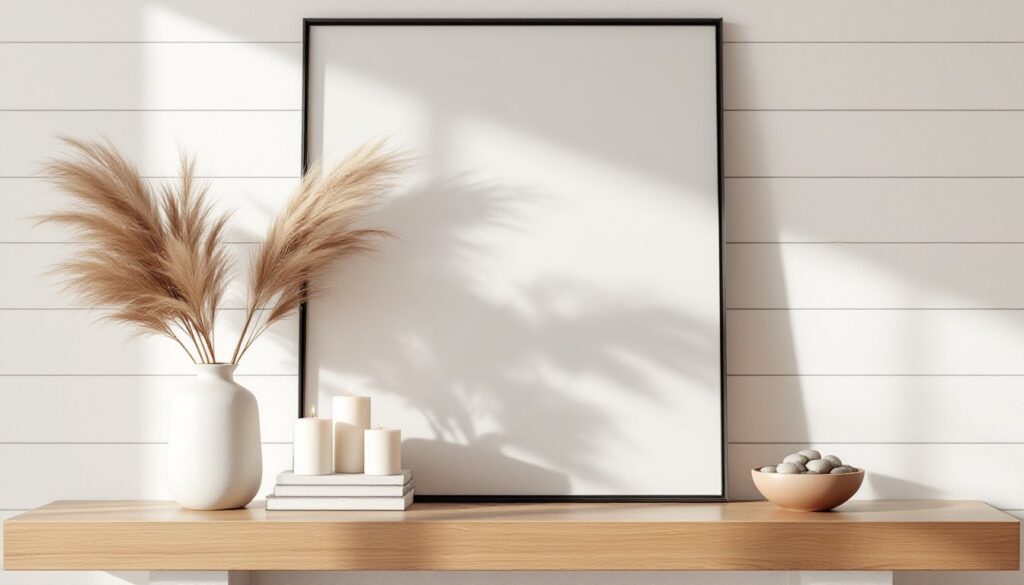
A mantel is more than a ledge, it’s prime real estate in any room with a fireplace. Whether it’s the first thing guests notice or a focal point that anchors a living space, the mantel sets the tone for the entire room. But styling it doesn’t require a design degree or a big budget. The best mantel displays balance simplicity with intention. They use everyday objects, seasonal swaps, and layering techniques that anyone can replicate. This guide walks through practical approaches to mantel styling that work in real homes, not just magazine spreads.
Table of Contents
ToggleKey Takeaways
- Simple mantel decor ideas focus on balancing intention with simplicity, using everyday objects and layering techniques that anyone can replicate without a designer’s budget.
- A minimalist mantel approach strips away clutter and emphasizes one anchor piece like a mirror or artwork, supported by just one or two additional elements to maximize visual impact.
- Seasonal swaps keep your mantel fresh throughout the year by rotating accent items like candles, greenery, and natural textures while maintaining a neutral base of year-round pieces.
- Budget-friendly styling starts with shopping your house first—use books, dishware, branches, and frames already on hand to create a curated display without new purchases.
- Layering techniques build visual depth by combining objects of different heights, textures, and positions, with odd-numbered groupings and varied finishes creating more dynamic arrangements than symmetrical ones.
- Avoid overcrowding, mismatched scales, and generic pre-coordinated sets; instead, leave 30–40% of the mantel empty and mix materials, finishes, and sources to add character and prevent a cluttered look.
Why Your Mantel Deserves Thoughtful Styling
A fireplace mantel sits at eye level, making it one of the most visible horizontal surfaces in a home. Unlike shelves tucked in corners or tables hidden behind sofas, the mantel commands attention. It’s often the first element someone notices when entering a room, which means it plays an outsized role in shaping first impressions.
Thoughtful styling also solves a practical problem: an empty mantel looks unfinished, but a cluttered one feels chaotic. The goal is to create a display that feels intentional without looking forced. This doesn’t require expensive collectibles or perfectly matched sets. It requires editing. Every object on the mantel should earn its place, whether through visual weight, color contrast, or personal meaning.
Many homeowners treat the mantel as an afterthought, tossing up a few candles or a random mirror and calling it done. But a well-styled mantel ties the room together. It can echo colors from nearby furniture, introduce texture through natural materials, or provide a seasonal touchpoint that keeps the space feeling fresh. Spending 20 minutes rethinking the mantel can make a bigger visual impact than rearranging an entire bookshelf.
Minimalist Mantel Decor: Less Is More
Minimalist mantel styling strips away the clutter and focuses on a few carefully chosen pieces. This approach works especially well in modern or Scandinavian-inspired spaces, but it can complement traditional rooms too. The key is restraint.
Start with a single anchor piece, a large mirror, an oversized piece of art, or a striking sculptural object. This piece should be tall enough to fill the vertical space above the mantel without overwhelming it. A mirror that’s 36 to 48 inches high works well on standard mantels, which typically sit 50 to 60 inches off the floor. Lean the mirror against the wall rather than hanging it: the casual angle softens the look and makes adjustments easier.
Add one or two supporting elements on the mantel surface itself. A single vase with dried grasses, a small stack of books, or a ceramic bowl provides balance without competition. Keep the color palette tight, two to three colors max, and let negative space do the work. The empty areas around each object give the eye room to rest and make the chosen pieces stand out.
Minimalist styling also simplifies maintenance. Fewer objects mean less dusting, and swapping out a single vase or art piece takes seconds. For those who prioritize clean lines in their home, this approach delivers maximum impact with minimal effort.
Seasonal Simplicity: Easy Swaps Throughout the Year
Seasonal decor doesn’t require hauling out bins of themed decorations every few months. Simple, repeatable swaps keep the mantel feeling current without dominating storage space or the calendar.
Spring and Summer: Focus on light, organic materials. Fresh or faux greenery in a ceramic pitcher, a bowl of lemons or limes, or a collection of white candles in varying heights create a bright, airy feel. Swap heavy wood tones for lighter ceramics or glass. If using florals, stick to one type of flower or foliage, a single hydrangea stem or a bundle of eucalyptus reads cleaner than a mixed bouquet.
Fall: Introduce warmer tones and natural textures. A wooden bowl filled with mini pumpkins, a cluster of pillar candles in amber or rust tones, or a simple garland of preserved oak leaves adds seasonal warmth. Skip the inflatable yard decorations and plastic harvest signs: the mantel is an interior space, so treat it with the same care as furniture choices. According to design experts at Decoist, layering natural materials with metallic accents creates visual interest without overwhelming a space.
Winter and Holidays: Keep it simple with evergreen branches, white candles, or a string of warm-toned LED lights draped loosely across the mantel. If holiday decor is part of the rotation, seasonal styling strategies suggest limiting ornaments to a single color family, all silver, all gold, or all natural wood. A small, undecorated tree branch spray-painted white can serve as a minimalist alternative to a full garland.
The trick is building a base of neutral, year-round pieces, candlesticks, a mirror, or a piece of art, and swapping only the accent items. This keeps costs down and storage manageable.
Budget-Friendly Mantel Styling with Everyday Items
High-impact mantel displays don’t require a shopping trip. Many of the most effective styling elements are already sitting in closets, cupboards, or the backyard.
Books: Stack two or three hardcover books horizontally to create height and visual weight. Choose books with neutral spines or turn them backward so the pages face out for a cohesive look. Place a small object, like a vintage clock or a ceramic dish, on top of the stack.
Dishware: White or neutral ceramic bowls, pitchers, or plates work as sculptural elements. A large serving platter leaned against the wall behind a low vase creates layering without requiring new purchases. Mixing dishware into decor blurs the line between functional and decorative, which is a hallmark of practical interior design.
Natural Elements: Branches, stones, pinecones, and driftwood cost nothing and bring organic texture indoors. A tall branch in a heavy vase provides vertical drama: smooth river rocks in a shallow bowl add weight to one end of the mantel. Forage responsibly, stick to fallen branches and avoid protected plants.
Candles: Group candles in odd numbers (three or five) and vary the heights. Pillar candles in 4-inch, 6-inch, and 8-inch heights create a pleasing silhouette. Use unscented candles if the fireplace is functional: fragrance oils can intensify with heat and become overwhelming.
Frames: Repurpose existing picture frames by swapping in new art, fabric swatches, or even pages from old books. Lean frames rather than hanging them, it’s faster, easier, and looks more casual. According to styling advice from House Beautiful, leaning frames against the wall adds approachable elegance to any mantel.
The goal is to shop the house first. Most homes already contain enough objects to style a mantel three different ways.
Layering Techniques for Visual Depth
Flat, one-dimensional mantel displays lack presence. Layering adds depth by combining objects of different heights, textures, and positions.
Start with a Backdrop: A mirror, piece of art, or decorative tray leaned against the wall creates the first layer. This backdrop should be the tallest element and anchors the entire display. Position it slightly off-center for a less formal look.
Add Mid-Height Objects: Place items like vases, candlesticks, or small sculptures in front of the backdrop. These should stand 8 to 16 inches tall on a standard mantel. Overlap them slightly with the backdrop so they interact visually rather than floating in separate zones.
Finish with Low, Grounding Elements: Small bowls, stacks of books, or horizontal objects like driftwood rest at the front of the mantel and anchor the display. These low elements prevent the arrangement from looking top-heavy.
Use Odd Numbers: The rule of three (or five) isn’t arbitrary, it forces asymmetry, which feels more dynamic than pairs. Place three candlesticks of varying heights on one side, balanced by a single tall vase on the other. Publications like The Spruce emphasize that odd-numbered groupings create more visual interest than symmetrical arrangements.
Vary Texture: Combine matte ceramics with glossy glass, rough wood with smooth metal. Texture contrast keeps the eye moving across the display. A rustic wooden bowl next to a sleek brass candlestick creates tension in a good way.
Layering takes practice. Start with three to five objects, step back, and adjust. If something feels off, it probably is, trust the gut check and move pieces until the balance feels right.
Common Mantel Decorating Mistakes to Avoid
Even experienced decorators fall into a few recurring traps when styling mantels. Knowing what to avoid saves time and frustration.
Overcrowding: More isn’t better. A mantel packed with objects looks cluttered and stressful, not abundant. Aim to leave 30 to 40 percent of the mantel surface empty. Negative space lets each piece breathe and keeps the display from feeling like a flea market table. Homeowners who explore various decorating approaches often discover that simplicity wins over excess.
Ignoring Scale: Tiny objects on a large mantel get lost: oversized items on a narrow mantel look precarious. Match the scale of decor to the mantel’s proportions. A 6-foot-wide mantel can handle a 40-inch mirror and several supporting objects. A 4-foot mantel needs smaller pieces or a more minimal approach.
Matchy-Matchy Sets: Pre-coordinated decor sets feel generic. Mix materials, finishes, and sources. Pair a vintage brass candlestick with a modern ceramic vase. Combine thrifted finds with new pieces. The slight friction between styles adds character.
Blocking the TV: If the TV sits above the mantel, a debated but common setup, don’t let decor interfere with the screen or create glare. Keep objects low and push them toward the edges of the mantel. Use matte finishes to minimize reflections.
Forgetting Functionality: If the fireplace is operational, mantel decor needs to be heat-resistant and easy to remove. Don’t place candles directly above an active fire: the heat can warp wax or damage finishes. Store anything flammable at least 12 inches away from the firebox opening when the fireplace is in use. Consult the International Residential Code (IRC) Section R1001 for combustible clearances, typically 6 inches for standard mantels, but this varies by installation.
Skipping the Test: Before committing, photograph the mantel from across the room. The camera reveals imbalances and awkward gaps that the eye misses up close. Adjust based on the photo, not the close-up view.
Conclusion
Styling a mantel doesn’t require a decorator’s eye or a bottomless budget. It requires editing, layering, and a willingness to experiment. Start with a few key pieces, use what’s already on hand, and adjust until the display feels balanced. The best mantel decor reflects the people who live there, not a catalog page.