Great decorating ideas and techniques can turn any room from forgettable to unforgettable. Whether someone is starting fresh in a new home or refreshing a tired living space, the right approach makes all the difference. The good news? Stunning interiors don’t require a professional designer or an unlimited budget. They require intention, a few proven strategies, and the willingness to experiment.
This guide breaks down the essential decorating ideas and techniques that interior designers rely on every day. From choosing the right color palette to mastering the art of scale and proportion, these principles work in any space, apartments, houses, offices, or dorm rooms. Let’s get into the specifics.
Table of Contents
ToggleKey Takeaways
- Use the 60-30-10 color rule to create visual harmony—60% dominant color, 30% secondary, and 10% accent.
- Layer different textures like velvet, wood, and natural fibers to add depth and make any room feel rich and inviting.
- Combine ambient, task, and accent lighting to transform your space and set the perfect mood for any occasion.
- Choose one statement piece per room as a focal point to anchor the space and create intentional design.
- Apply proven decorating ideas and techniques like proper scale and proportion—hang curtains from ceiling to floor and size artwork to span 50-75% of the furniture below.
- When in doubt, go bigger: larger pieces make rooms feel curated and confident rather than cluttered with small items.
Start With a Clear Vision and Color Palette
Every successful decorating project begins with a clear vision. Before buying a single throw pillow, take time to define what the space should feel like. Should it be calm and serene? Bold and energetic? Cozy and intimate? This emotional goal shapes every decision that follows.
Color palette selection is the foundation of any decorating strategy. Colors influence mood, perceived room size, and how furniture pieces relate to each other. Here’s a simple framework:
- Choose a dominant color (60% of the room): walls, large furniture, rugs
- Pick a secondary color (30%): accent chairs, curtains, smaller furniture
- Add an accent color (10%): throw pillows, artwork, decorative objects
This 60-30-10 rule is one of the most reliable decorating techniques professionals use. It creates visual harmony without feeling monotonous.
Neutrals like white, beige, and gray provide flexibility for future changes. Bolder palettes, deep greens, navy blues, terracotta, make stronger statements but require more commitment. Either approach works when applied consistently.
Pro tip: Pull color inspiration from a favorite piece of art, a fabric swatch, or even a photograph. This ensures the palette feels personal and cohesive.
Layer Textures for Visual Interest
Texture is the secret weapon in decorating ideas that many people overlook. A room with varied textures feels rich and inviting, even with a limited color palette. A space without texture variation feels flat, no matter how expensive the furniture.
Think about texture in categories:
- Soft textures: velvet cushions, wool throws, plush rugs
- Hard textures: wood tables, metal frames, glass surfaces
- Natural textures: wicker baskets, jute rugs, linen curtains
- Smooth textures: leather seating, polished stone, lacquered finishes
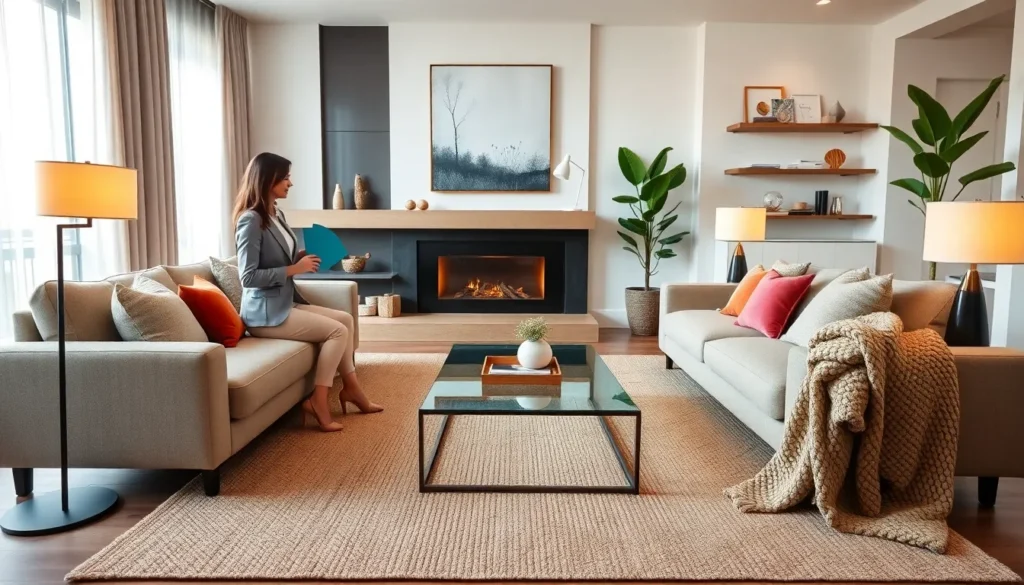
The goal is contrast. A leather sofa looks better with a chunky knit throw. A sleek glass coffee table benefits from a textured rug underneath. These combinations create depth that photographs well and feels better in person.
Layering also applies to soft furnishings. Combine different pillow sizes and fabrics on a sofa. Mix cotton sheets with a silk throw on a bed. These small decisions elevate a room from ordinary to designed.
One common mistake? Matching everything too perfectly. A room full of the same fabric weight and finish looks like a catalog page, not a home. Embrace variety.
Use Lighting to Set the Mood
Lighting transforms rooms more dramatically than almost any other decorating technique. The same space looks completely different under harsh overhead fluorescents versus warm layered lighting. Yet many people settle for a single ceiling fixture and call it done.
Effective lighting uses three layers:
- Ambient lighting: General illumination from overhead fixtures or recessed lights
- Task lighting: Focused light for reading, cooking, or working (desk lamps, under-cabinet lights)
- Accent lighting: Decorative lighting that highlights features or creates atmosphere (wall sconces, picture lights, candles)
Most rooms need all three types working together. A living room might have a ceiling fixture for ambient light, table lamps beside the sofa for reading, and picture lights over artwork for accent.
Light temperature matters too. Warm bulbs (2700K-3000K) create cozy, inviting atmospheres. Cooler bulbs (4000K+) feel more clinical and work better in offices or kitchens. Match the warmth to the room’s purpose.
Dimmers are worth the investment. They allow the same fixtures to shift from bright task lighting during the day to soft ambient lighting at night. This flexibility is one of the smartest decorating techniques for any budget.
Incorporate Statement Pieces and Focal Points
Every room needs a star, something that draws the eye and anchors the space. Without a focal point, rooms feel scattered. With one, they feel intentional.
Statement pieces serve this role. They might be:
- A large piece of artwork above a fireplace
- An oversized mirror in an entryway
- A bold patterned rug in a neutral room
- An unusual light fixture over a dining table
- A vintage armchair with personality
The key is restraint. One statement piece per room is usually enough. Two or three competing for attention creates visual chaos, not interest.
Arranging furniture around the focal point reinforces its importance. In a living room with a fireplace, seating should face toward it. In a bedroom, the bed placement and art above it create the natural focal point.
Statement pieces don’t need to be expensive. A gallery wall of personal photographs, a well-styled bookshelf, or an inherited piece of furniture can anchor a room just as effectively as designer items. What matters is that it stands out from its surroundings in a deliberate way.
Balance Scale and Proportion
Scale and proportion are the decorating techniques that separate amateur rooms from professional ones. A tiny lamp on a massive nightstand looks wrong. An oversized sectional crammed into a small living room feels suffocating. Getting scale right requires stepping back and seeing the whole picture.
Some guidelines help:
- Rugs should be large enough for furniture legs to sit on them, at least partially
- Artwork should span 50-75% of the width of the furniture below it
- Curtains should hang from ceiling height to floor, not from the window frame
- Coffee tables should be about two-thirds the length of the sofa
Mixing scales creates interest. A large sofa balanced by a slim side table and a substantial floor lamp feels intentional. All same-sized furniture feels like a furniture store display.
Vertical space matters too. Rooms feel more complete with elements at varying heights, a tall plant, low seating, medium-height shelving. This vertical variation keeps eyes moving through the space naturally.
When in doubt, err on the side of slightly larger pieces. Small items in a big room disappear. Larger pieces make spaces feel curated and confident.