Decorating ideas shape how a space looks, feels, and functions. Every homeowner faces choices between competing styles, budgets, and methods. Should the living room lean modern or traditional? Is minimalism the goal, or does maximalism feel more authentic? These decisions matter because they affect daily life in that space.
This guide breaks down the most common decorating comparisons people face. It covers style matchups, budget considerations, and whether to hire a professional or tackle projects solo. By the end, readers will have a clearer sense of which decorating ideas fit their homes and lifestyles best.
Table of Contents
ToggleKey Takeaways
- Decorating ideas should reflect your personal taste, lifestyle, and the unique features of your space.
- Modern decorating emphasizes clean lines and minimalism, while traditional decorating offers warmth through rich colors and ornate details.
- Minimalist and maximalist designs represent opposite approaches—choose based on whether you prefer visual calm or vibrant, personality-filled spaces.
- DIY decorating saves money and offers creative control, but professional help prevents costly mistakes on larger projects.
- Mixing budget-friendly finds with high-end investments in anchor pieces creates polished spaces without overspending.
- Start small when testing new decorating ideas—try inexpensive changes like pillows or art before committing to major purchases.
Modern vs. Traditional Decorating
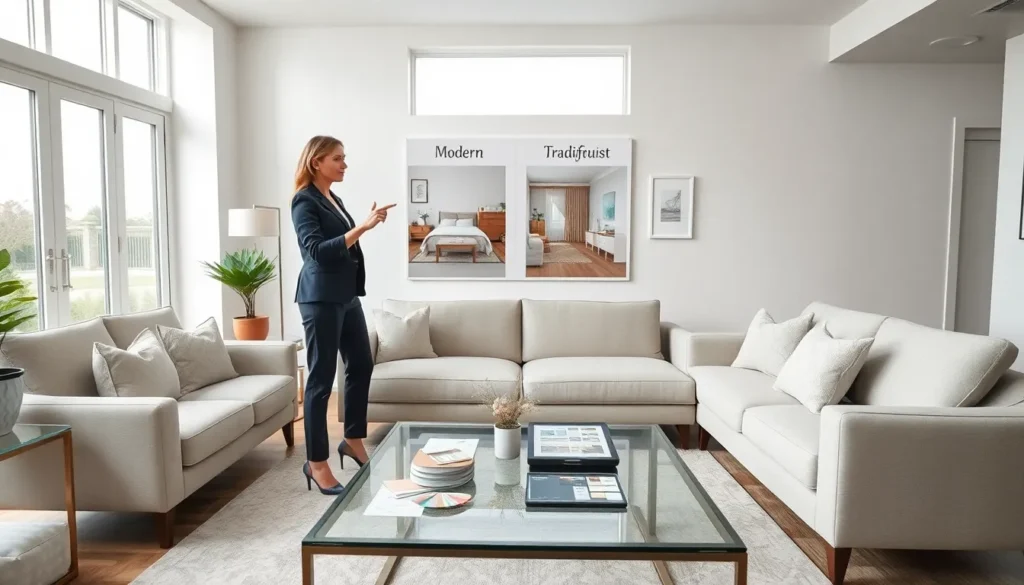
Modern and traditional decorating represent two distinct approaches to home design. Understanding their differences helps homeowners commit to decorating ideas that match their preferences.
Modern Decorating Characteristics
Modern decorating favors clean lines, neutral color palettes, and functional furniture. Spaces tend to feel open and uncluttered. Materials like glass, metal, and concrete appear frequently. Furniture pieces often have geometric shapes and lack ornate details.
Modern decorating ideas also emphasize natural light. Large windows, minimal window treatments, and strategically placed mirrors help brighten rooms. The overall effect feels sleek and intentional.
Traditional Decorating Characteristics
Traditional decorating draws from classic European styles. It features rich colors, ornate furniture, and layered textiles. Wood tones dominate, and pieces often include carved details or curved lines.
Traditional spaces feel warm and established. They include items like Persian rugs, tufted sofas, and antique accents. Symmetry matters in traditional decorating, matching lamps, paired chairs, and balanced arrangements create visual harmony.
Which Works Better?
Neither style is objectively superior. Modern decorating suits people who prefer simplicity and easy maintenance. Traditional decorating appeals to those who want warmth and timeless elegance. Some homeowners blend both styles, creating transitional spaces that feel balanced. The key is selecting decorating ideas that reflect personal taste and lifestyle.
Minimalist vs. Maximalist Design
Minimalist and maximalist design sit at opposite ends of the decorating spectrum. Both approaches have devoted followers, and both can create stunning spaces.
The Minimalist Approach
Minimalist decorating ideas center on the phrase “less is more.” Rooms contain only essential items. Color schemes stay neutral, whites, grays, and beiges dominate. Storage solutions hide clutter, and surfaces remain mostly clear.
Minimalism works well in smaller spaces where clutter feels overwhelming. It also suits people who find visual calm in sparse environments. Cleaning becomes easier when fewer items occupy a room.
The Maximalist Approach
Maximalist decorating embraces abundance. Rooms feature bold colors, mixed patterns, and collected objects. Gallery walls, layered textiles, and eclectic furniture choices define this style.
Maximalism celebrates personality. Every item tells a story or sparks joy. This approach works for collectors, travelers, and anyone who wants their home to feel vibrant and lived-in.
Finding the Middle Ground
Many people land somewhere between these extremes. They might keep kitchen counters clear while displaying collections in the living room. Decorating ideas don’t require strict adherence to one philosophy. The goal is creating spaces that feel right to the people living in them.
DIY vs. Professional Decorating
The choice between DIY and professional decorating affects both budget and outcome. Each approach has clear advantages and limitations.
Benefits of DIY Decorating
DIY decorating saves money. Labor costs disappear when homeowners handle painting, furniture assembly, and styling themselves. DIY also offers complete creative control. There’s no need to explain a vision to someone else or compromise on choices.
Online resources make DIY decorating more accessible than ever. Video tutorials cover everything from hanging wallpaper to building floating shelves. Social media platforms overflow with decorating ideas that inspire and instruct.
Benefits of Professional Help
Professional decorators bring expertise and industry connections. They access trade-only furniture lines and receive discounts on materials. They also save time, a professional can complete in days what might take a homeowner months.
Professionals prevent costly mistakes. They understand scale, proportion, and color theory. They know which decorating ideas translate well from photos to real rooms. For large projects or whole-home makeovers, professional guidance often proves worthwhile.
Making the Decision
Budget and project scope usually determine the best path. Small updates like new throw pillows or rearranging furniture work fine as DIY projects. Major renovations or rooms requiring structural changes benefit from professional input. Many homeowners combine both approaches, hiring help for big decisions while handling smaller decorating ideas themselves.
Budget-Friendly vs. High-End Decor Options
Budget plays a major role in decorating decisions. Both affordable and luxury options can produce beautiful results.
Budget-Friendly Decorating Ideas
Affordable decorating starts with smart shopping. Thrift stores, estate sales, and online marketplaces offer quality pieces at reduced prices. Paint transforms rooms cheaply, a fresh wall color costs under $100 but changes everything.
Budget decorating ideas also include repurposing existing items. Reupholstering a tired chair, painting dated furniture, or simply rearranging a room costs little but makes a real difference. DIY art projects fill walls without gallery price tags.
Retailers like IKEA, Target, and HomeGoods stock affordable pieces that photograph well and serve their purpose. The key is choosing items carefully rather than buying everything at once.
High-End Decor Investments
Luxury decorating prioritizes quality and longevity. A $3,000 sofa might last 20 years while a $500 version needs replacing in five. High-end pieces often feature better materials, construction, and design.
Designer items also hold resale value. Vintage pieces from recognized brands appreciate over time. Investing in quality makes sense for anchor pieces like sofas, dining tables, and bed frames.
Mixing Price Points
Most successful decorating ideas blend budget and splurge items. Spend more on pieces that see daily use or define a room. Save on trendy accessories that might change with tastes. This approach stretches budgets while still creating polished spaces.
How to Choose the Right Decorating Style for Your Space
Choosing decorating ideas requires honest assessment of space, lifestyle, and preferences. A few practical steps simplify the decision.
Assess the Space
Room size, natural light, and architectural features guide style choices. Small, dark rooms benefit from lighter colors and minimal furniture. Large spaces can handle bold decorating ideas without feeling cramped.
Existing elements matter too. Built-in shelving, fireplace mantels, and ceiling details suggest certain styles. Working with these features usually produces better results than fighting against them.
Consider Lifestyle Needs
Decorating ideas must work for actual life. Families with young children need durable fabrics and washable surfaces. Pet owners should avoid delicate materials. People who entertain frequently need seating and flow patterns that accommodate guests.
Honesty about maintenance helps too. Minimalist spaces require constant tidying. White furniture shows every stain. Beautiful decorating ideas become frustrating when they clash with daily habits.
Gather Inspiration Intentionally
Save images of rooms that appeal, then look for patterns. Do saved images share color schemes? Furniture styles? Overall moods? These patterns reveal true preferences more accurately than abstract style labels.
Start small when testing decorating ideas. A new pillow or small piece of art costs little but shows whether a direction feels right. Commit to larger investments only after living with smaller changes.