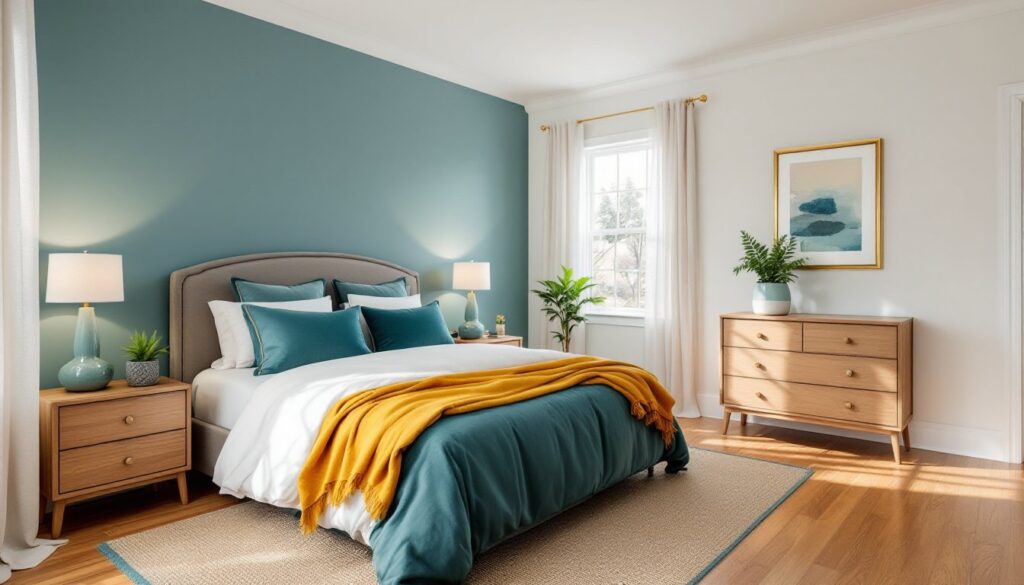
Teal is one of those rare colors that walks the line between bold and calming, a balance that makes it perfect for adult bedrooms. It brings depth without overwhelming a space, works across design styles from coastal to modern, and pairs beautifully with warm metals, natural wood, and neutrals. Whether someone’s ready to commit to a full teal transformation or just wants to test the waters with accents, this color offers more versatility than most people expect. This guide covers practical ways to bring teal into a bedroom, from paint strategies to textiles and furniture, with real-world advice on what works and what to avoid.
Table of Contents
ToggleKey Takeaways
- Teal bedroom ideas work for adults because the color balances blue’s relaxation with green’s natural balance, creating a restorative atmosphere that feels sophisticated without being trendy.
- Choose light teal for smaller rooms, mid-range teal for versatility, or deep teal for rooms with high ceilings and abundant natural light—always test paint samples over 24 hours as teal shifts throughout the day.
- An accent wall behind the bed is the fastest way to introduce teal, but alternative techniques like ombré blending, board and batten, or two-tone horizontal splits add architectural interest.
- Layer teal through textiles like duvets, throw pillows, curtains, and area rugs to create depth without permanent changes, pairing them with whites, creams, or warm grays for visual balance.
- Teal pairs beautifully with warm metals (brass, gold), natural wood tones, and complementary colors like coral, mustard, or navy—balance darker shades with white or light surfaces to prevent the room from feeling oppressive.
- Paint furniture using bonding primers and satin finishes, or add teal through smaller accents like ceramic lamps, mirrors, artwork, and plant vessels for intentional, polished design without overwhelming the space.
Why Teal Works Beautifully in Adult Bedrooms
Teal sits between blue and green on the color wheel, which gives it a psychological edge. Blue tones promote relaxation and lower heart rate, while green evokes nature and balance. Together, they create a color that feels restorative without being sleepy or sterile.
Unlike trendy pastels or high-energy brights, teal has staying power. It doesn’t age out of style the way millennial pink or stark gray minimalism have. It complements both warm and cool palettes, which means it adapts as tastes evolve or as someone swaps out decor.
Teal also handles different lighting conditions well. In natural daylight, it reads vibrant and fresh. Under warm incandescent or LED bulbs, it shifts toward a cozier, jewel-toned depth. That flexibility makes it forgiving in rooms with limited windows or awkward artificial lighting.
For adults specifically, teal avoids the juvenile feel of primary brights while still delivering personality. It’s sophisticated enough for a master suite but not so serious that it feels corporate.
Choosing the Right Teal Shade for Your Style
Teal is not a single color, it’s a spectrum. Paint stores carry dozens of variations, and the wrong one can shift a room from serene to garish.
Light teal (sometimes called seafoam or aqua with more green) works in smaller bedrooms or spaces with limited natural light. It opens up walls without feeling washed out. Brands like Sherwin-Williams’ “Watery” or Benjamin Moore’s “Caribbean Teal” lean this direction. These shades pair well with white trim and light wood furniture.
Mid-range teal (balanced blue-green) is the most versatile. It has enough saturation to make a statement but doesn’t dominate. This is the sweet spot for accent walls or larger rooms. Look for colors like Behr’s “Teal Zeal” or Farrow & Ball’s “Vardo.” These work with brass fixtures, walnut furniture, and both warm and cool grays.
Deep teal (leaning toward peacock or petrol blue) brings drama and works best in rooms with high ceilings or abundant natural light. Dark teals absorb light, so they can make a small bedroom feel cave-like if not balanced with reflective surfaces and lighter accents. Sherwin-Williams’ “Oceanside” or Benjamin Moore’s “Aegean Teal” fall here.
Before committing, paint sample squares (at least 2′ × 2′) on different walls and observe them over 24 hours. Teal shifts significantly depending on the time of day and the room’s orientation. North-facing rooms will pull out cooler, grayer tones, while south-facing spaces emphasize warmth and vibrancy.
Teal Accent Walls and Paint Techniques
An accent wall is the fastest way to introduce teal without overwhelming a space. The wall behind the bed is the standard choice, but side walls or the wall opposite the bed can work if the layout is unconventional.
Prep work matters. Fill nail holes with spackling compound, sand smooth with 120-grit sandpaper, and wipe down with a damp cloth. Prime if the existing wall color is more than two shades darker than the teal or if the wall has texture inconsistencies. Use a stain-blocking primer like Zinsser BIN if there’s any chance of bleed-through from previous paint.
For application, use a 3/8″ nap roller for smooth drywall and a 1/2″ nap for light texture. Cut in edges with a 2″ angled brush. Most mid-to-deep teals require two coats for even coverage, especially over lighter colors. Let the first coat dry at least four hours (longer in humid climates) before applying the second.
Alternative techniques:
- Ombré or gradient: Blend teal from saturated at the bottom to white or pale gray at the top. This requires wet-blending with a large brush or sponge and works best with matte or eggshell finishes.
- Board and batten: Paint vertical slats and the wall behind them in teal, with the horizontal rails in white or cream. This adds architectural interest and works well in transitional or farmhouse-style bedrooms.
- Two-tone horizontal split: Paint the lower third of the wall in deep teal and the upper two-thirds in a soft neutral. Install a chair rail or picture molding at the break point for a finished look.
Avoid painting all four walls in deep teal unless the room is large (over 200 sq ft) and has multiple windows. It can feel oppressive otherwise. If full-room color is the goal, balance with white or light-colored ceilings, trim, and large-scale neutral furniture.
Incorporating Teal Through Bedding and Textiles
Textiles offer a commitment-free entry point for teal and add layered texture that paint alone can’t deliver.
Duvet covers and comforters in teal anchor the room without permanent changes. Linen and cotton blends in mid-teal tones feel casual and breathable, while velvet or sateen in deep teal skews more formal. Pair a teal duvet with white or cream sheets to prevent visual overload. If the walls are already teal, opt for patterned bedding that includes teal as an accent rather than a solid color.
Throw pillows allow for experimentation with shade and pattern. Mix teal pillows with rust, mustard, or blush for warmth, or pair with charcoal and ivory for a cooler, modern look. Geometric prints, subtle stripes, or embroidered details add dimension without clashing.
Curtains in teal can either frame windows as a design feature or blend into an accent wall. For practical purposes, line teal curtains with blackout fabric if light control is a priority. Hang rods at ceiling height and let panels skim the floor for a tailored appearance, this visually elongates the room.
Area rugs in teal work best in bedrooms with neutral walls and flooring. A jute or sisal rug with teal accents grounds the space without competing for attention. Alternatively, a solid teal rug in a low-pile material (like flatweave or short shag) pairs well with wood or laminate floors.
Upholstered furniture like a bench at the foot of the bed or an armchair in the corner can introduce teal in smaller doses. Velvet upholstery in teal feels luxe but shows wear, so choose performance fabrics if the piece gets daily use. For those exploring additional interior design tips on layering color and texture, mixing materials like linen, wool, and cotton prevents a flat, one-note look.
Furniture and Decor Accents in Teal
Teal furniture makes a statement, so it should be intentional, not impulsive.
Painted wood furniture like dressers, nightstands, or bed frames can be DIY projects. Use a bonding primer (such as Zinsser B-I-N or Sherwin-Williams ProBlock) before applying satin or semi-gloss paint in teal. Two coats usually suffice, and a clear topcoat in matte or satin adds durability. Sand lightly between coats with 220-grit sandpaper for a smooth finish.
If refinishing isn’t an option, vintage or thrifted pieces in teal occasionally surface. Mid-century credenzas, art deco vanities, or lacquered Asian-inspired cabinets in teal add character without feeling mass-produced.
Decor accents allow for smaller touches:
- Lamps: Ceramic or glass table lamps in teal work on nightstands or dressers. Pair with neutral or metallic shades.
- Artwork: Abstract prints, watercolor landscapes, or photography with teal tones tie the palette together without dominating.
- Mirrors: Frames painted or lacquered in teal bounce light and add a functional focal point above a dresser.
- Vases and planters: Group teal ceramic or glazed vessels on a dresser or windowsill. Fill with greenery like eucalyptus, ferns, or succulents for a layered, organic feel.
For those looking at broader paint color guides for bedroom transformations, metallics like brass, copper, and brushed gold warm up teal, while chrome and nickel keep it crisp and modern.
Color Combinations That Complement Teal
Teal plays well with a surprising range of colors, but not all combinations read sophisticated.
Teal + white or cream is the safest pairing. It keeps the space airy and lets teal be the hero. Use white for trim, bedding, and larger furniture pieces, then layer in teal through accents.
Teal + gray (especially warm grays with beige undertones) creates a modern, hotel-like feel. Avoid cool grays with blue undertones, they compete with teal and can read flat.
Teal + wood tones works across styles. Light oak or blonde wood feels Scandinavian. Walnut or cherry adds warmth and richness. Darker espresso or black-stained wood leans contemporary.
Teal + metallics depends on the undertone. Brass and gold bring out the green in teal and feel warm and traditional. Copper adds an earthy, bohemian vibe. Silver, chrome, or brushed nickel emphasize the blue and feel cooler and more minimalist.
Teal + coral or rust injects warmth and energy. This combo works best with lighter teals, deep teal and rust can feel heavy unless balanced with plenty of white or light wood.
Teal + mustard or ochre is bolder but grounded. Use mustard in small doses, throw pillows, a blanket, or a single chair. This pairing shines in mid-century modern or eclectic spaces.
Teal + blush or dusty rose softens the palette and skews more romantic. This works in bedrooms with feminine or transitional styling. Balance with matte finishes and natural textures to avoid a plastic, overly styled look.
Teal + navy is dramatic and sophisticated but requires careful handling. Use navy as a secondary accent (like in patterned textiles or a single piece of furniture) rather than a co-dominant color. Plenty of white or cream keeps it from feeling too dark. Many luxury home features layer jewel tones like teal and navy with reflective surfaces and layered lighting to maintain balance.
Conclusion
Teal offers a rare combination of boldness and versatility that works across adult bedroom styles, from coastal to modern to eclectic. Whether committing to painted walls, testing the waters with textiles, or adding furniture accents, the key is balancing saturation with neutrals and metallics. The right shade, thoughtful placement, and complementary pairings turn teal from a trendy impulse into a lasting design choice that feels both personal and polished.