Tile flooring isn’t just durable, it’s one of the most versatile design tools a homeowner can use. Whether someone’s renovating a bathroom, upgrading a kitchen, or adding character to an entryway, the right tile choice can completely change how a space feels. With new materials, finishes, and layout patterns gaining traction in 2026, there’s never been a better time to explore what tile can do. This guide breaks down practical ideas, material options, and design trends that work in real homes, not just magazine spreads.
Table of Contents
ToggleKey Takeaways
- Tile flooring offers superior durability, water resistance, and low maintenance compared to carpet or hardwood, making it ideal for kitchens, bathrooms, and high-traffic areas while lasting 20+ years with minimal upkeep.
- Layout patterns like herringbone, chevron, and checkerboard dramatically transform how tile flooring looks in a room, with herringbone and chevron making narrow spaces feel wider by adding visual movement.
- Porcelain tile is the best material choice for most residential applications due to its frost-resistant density and versatility, while ceramic works for low-moisture indoor areas and natural stone requires regular sealing to prevent staining.
- Warm neutral tones, matte finishes, and textured tiles are dominating 2026 tile flooring trends, replacing cool grays and high-gloss finishes for a more practical, modern aesthetic that hides dirt and smudges.
- Large-format tiles (24×48 inches or bigger) create seamless, contemporary tile flooring designs perfect for open-plan homes, though they require a perfectly flat subfloor within 1/8 inch over 10 feet.
- Proper subfloor preparation is critical when installing tile flooring—any unevenness will telegraph through the final surface, and building codes may require specific waterproofing membranes for radiant heat or moisture-prone areas.
Why Tile Flooring Remains a Top Choice for Homeowners
Tile delivers on multiple fronts: durability, water resistance, and low maintenance. Unlike carpet or hardwood, tile handles moisture without warping, making it ideal for bathrooms, kitchens, laundry rooms, and mudrooms. Porcelain and ceramic tile can last 20+ years with minimal upkeep, just regular sweeping and occasional mopping.
It’s also one of the few flooring types that can go directly over radiant heating systems, which makes it a smart pick for cold climates. Tile doesn’t trap allergens the way carpet does, and it won’t dent or scratch like vinyl or laminate under heavy furniture.
From a resale perspective, tile is a solid investment. Buyers recognize its longevity, especially in high-traffic or wet areas. And because tile comes in endless colors, sizes, and textures, it adapts to nearly any design style, from farmhouse to modern minimalist. The upfront cost is higher than sheet vinyl or laminate, but the lifespan and versatility often justify the expense.
Timeless Patterns That Elevate Any Room
Layout matters as much as the tile itself. The same 12×24-inch plank tile can look completely different depending on whether it’s laid straight, staggered, or angled. Choosing the right pattern sets the tone for the entire space.
Herringbone and Chevron Layouts
Herringbone and chevron are both zigzag patterns, but they’re not interchangeable. Herringbone tiles meet at 90-degree angles, creating a broken zigzag. Chevron tiles are cut at an angle so the ends form a continuous point. Both add visual movement and make narrow rooms feel wider.
These layouts work best with rectangular tiles, 3×12-inch or 4×16-inch formats are common. They do require more cuts and careful planning, so expect to add 10–15% to material costs for waste. A wet saw with a sliding table makes the job much easier. If someone’s new to tile work, herringbone is slightly more forgiving than chevron since the cuts don’t have to be as precise.
These patterns shine in entryways, hallways, and behind kitchen islands. They’re detail-oriented enough to stand out but not so busy that they overwhelm a room.
Classic Checkerboard and Geometric Designs
Checkerboard layouts, alternating light and dark tiles in a grid, bring a retro vibe that works in kitchens, bathrooms, and laundry rooms. Standard 12×12-inch tiles keep the pattern bold and easy to install. For a subtler effect, try two shades of the same color instead of stark black and white.
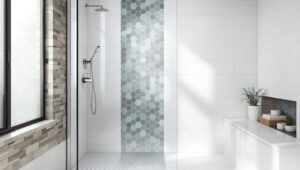
Geometric patterns are having a moment in 2026. Hexagons, triangles, and arabesque shapes add personality without requiring custom work. Many of these come as mosaic sheets with mesh backing, which speeds up installation. They’re best used as accents, think a kitchen backsplash transitioning to the floor or a shower floor that contrasts with wall tile.
One caution: busy geometric patterns can make small rooms feel cluttered. Use them in spaces with at least 80–100 square feet of floor area, or limit them to a defined zone like an entryway or in front of a vanity.
Best Tile Materials for Different Spaces
Not all tile is created equal. Material choice should match the room’s exposure to water, foot traffic, and temperature swings. Understanding types of tile helps avoid costly mistakes down the road.
Porcelain tile is the workhorse. It’s denser and less porous than ceramic, which makes it frost-resistant and suitable for indoor or outdoor use. Look for a PEI rating (Porcelain Enamel Institute) of 3 or higher for residential floors. Porcelain holds up in kitchens, bathrooms, entryways, and even garages. It’s available in styles that mimic wood, stone, or concrete.
Ceramic tile is lighter and more affordable but absorbs more water. It’s fine for indoor areas with low to moderate moisture, living rooms, bedrooms, or powder rooms, but it’s not ideal for exterior installations or unheated spaces where freeze-thaw cycles can crack it.
Natural stone, like slate, travertine, or marble, offers unique veining and texture. Stone requires sealing every 1–2 years to prevent staining, especially in kitchens. It’s softer than porcelain, so it can scratch or chip more easily. Stone works beautifully in entryways, living rooms, and master baths where the aesthetic justifies the upkeep.
Cement or encaustic tile brings bold color and pattern but needs regular sealing. These are best for low-traffic accent areas, a bathroom floor, a laundry room feature wall, or behind a kitchen stove. They’re porous and can stain if not maintained.
For wet areas like showers and tub surrounds, choose porcelain or glazed ceramic with a slip-resistance rating (look for a DCOF of 0.42 or higher). Smaller tiles, 2×2-inch mosaics or hexagons, also add grip due to increased grout lines.
Color and Finish Trends for Modern Tile Floors
Color and finish define how tile reads in a space. In 2026, the trend leans toward earthy neutrals, textured finishes, and subtle contrast.
Warm neutrals are replacing the cool grays that dominated the 2010s. Think beige, taupe, terracotta, and soft greige. These tones pair well with natural wood, brass fixtures, and organic textures. They also hide dirt better than stark white or black.
Matte finishes are overtaking high-gloss. Matte tile feels modern and hides water spots, footprints, and surface scratches. It’s especially practical in bathrooms and kitchens. Glossy tile still has a place, it reflects light well in small or dark rooms, but it shows every smudge.
Textured and embossed tiles mimic natural materials like linen, concrete, or wood grain. These add depth without requiring actual stone or hardwood. Textured tile works in living rooms and bedrooms where a softer, warmer look is desired. Just avoid heavy texture in bathrooms or kitchens where grime can settle into grooves.
Large-format tiles, 24×48 inches or bigger, reduce grout lines and create a seamless, contemporary look. They’re trending in open-plan homes and modern bathrooms. Installation requires a flat subfloor (within 1/8 inch over 10 feet) and a large-notch trowel for proper adhesion. These tiles are heavy, so a second pair of hands is helpful.
For contrast, some homeowners are pairing large neutral floor tiles with a bold, patterned accent, like a colorful runner of encaustic tile in a hallway or a geometric border around a kitchen island. This approach adds personality without overwhelming the space.
Creative Tile Ideas for Specific Rooms
Different rooms have different needs. Here’s how to tailor tile choices to specific spaces.
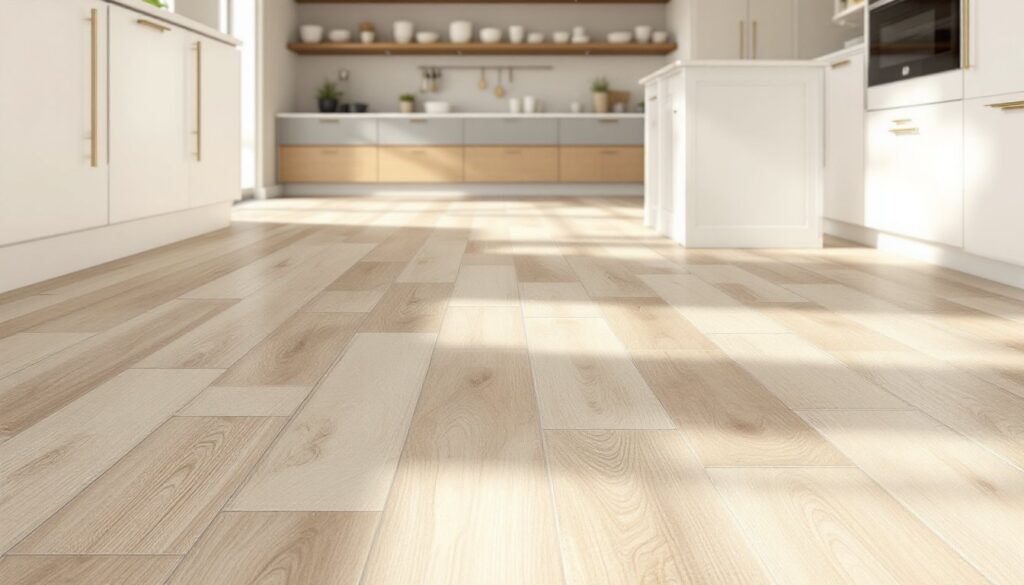
Kitchens: Go with porcelain plank tile in a wood-look finish for warmth without the maintenance of real hardwood. Lay it in a straight or staggered pattern to make the room feel longer. Pair it with a contrasting grout, dark grout with light tile or vice versa, to define the layout. If the kitchen connects to a dining or living area, continue the same tile throughout to create flow.
Bathrooms: Small hexagon mosaics (1- to 2-inch) on the floor provide slip resistance and visual interest. Pair them with larger subway or 12×24-inch tiles on the walls to avoid a busy look. In a master bath, consider 12×12-inch marble-look porcelain in a classic grid or brick-lay pattern. Always slope the floor slightly toward the drain (about 1/4 inch per foot) to prevent standing water.
Entryways and mudrooms: These areas take a beating, so durability and ease of cleaning are key. Porcelain or slate tile in darker tones hides dirt and salt stains. A herringbone or basketweave pattern adds character to what’s often a small, awkward space. Make sure to use a high-quality thin-set mortar and seal grout lines to prevent moisture intrusion from wet boots and umbrellas.
Living rooms and bedrooms: Tile in living spaces is more common in warmer climates, but it’s gaining traction elsewhere thanks to radiant heating. Large-format porcelain in matte finishes or wood-look planks keeps the space feeling cozy. Add area rugs to define seating zones and soften acoustics. According to experts at This Old House, underlayment choice matters here, use an uncoupling membrane like Schluter-DITRA to prevent cracks from subfloor movement.
Outdoor patios and porches: Not all tile is freeze-thaw rated. For exterior use, choose porcelain pavers with a water absorption rate below 0.5%. Textured or tumbled finishes reduce slip hazards. Installation over a concrete slab is straightforward, but if laying tile over dirt or gravel, use a compacted base and polymeric sand between joints. Resources like ImproveNet offer cost breakdowns for outdoor tile projects, which typically run $10–$20 per square foot installed, depending on material and site prep.
Safety and prep notes: Always wear knee pads, safety glasses, and a dust mask when cutting tile. Use a wet saw for clean cuts and to minimize airborne silica dust. Check local building codes before tiling over radiant heat or in moisture-prone areas, some jurisdictions require specific underlayment or waterproofing membranes. If the subfloor is uneven, out of level, or structurally questionable, address those issues before laying tile. Tile is unforgiving, it’ll telegraph every dip and crack in the substrate.