Finding the right top decorating ideas can turn a bland room into a space that feels uniquely personal. Whether someone is moving into a new home or refreshing a tired interior, the right design choices make all the difference. A well-decorated room does more than look good, it affects mood, productivity, and how people experience daily life.
This guide covers practical decorating strategies that work in any room. From bold color choices to thoughtful lighting, these ideas help create spaces that feel both stylish and livable. No design degree required.
Table of Contents
ToggleKey Takeaways
- Bold colors and statement walls are among the top decorating ideas for instantly transforming any room’s look and feel.
- Mixing textures—velvet, linen, leather, and natural fibers—adds depth and visual interest that makes spaces feel intentional.
- Incorporating natural elements like houseplants, wood, and stone brings warmth and connects indoor spaces to the outdoors.
- Layer three types of lighting (ambient, task, and accent) and install dimmer switches to control mood throughout the day.
- Personalize your space with meaningful art and accessories arranged in odd-numbered groupings for visual appeal.
- Great decorating evolves over time—edit regularly and let your space reflect your personal story.
Embrace Bold Colors and Statement Walls
One of the most impactful top decorating ideas starts with color. Bold hues instantly change how a room feels. A deep navy accent wall can make a living room feel grounded. A vibrant terracotta shade brings warmth to a dining area.
Statement walls work especially well in smaller spaces. Instead of painting every wall, focus on one. This creates a focal point without overwhelming the room. Popular choices include rich greens, warm burgundies, and moody charcoal tones.
For those hesitant about permanent changes, removable wallpaper offers flexibility. Geometric patterns, florals, or textured designs add personality without long-term commitment. The key is picking a color or pattern that complements existing furniture while adding visual punch.
Don’t forget the ceiling, sometimes called the fifth wall. A painted ceiling in an unexpected color creates drama and draws the eye upward. It’s a simple trick that designers use to make rooms feel more finished.
Mix Textures for Visual Interest
Great decorating ideas go beyond color. Texture adds depth that photographs can’t fully capture but eyes immediately notice. A room with varied textures feels layered and intentional.
Start with textiles. Combine a velvet sofa with linen throw pillows. Add a chunky knit blanket and a smooth leather ottoman. Each material catches light differently, creating subtle visual contrast throughout the day.
Hard surfaces matter too. A sleek glass coffee table paired with a rough-hewn wood console creates tension in a good way. Metal accents, brass, copper, or matte black, add another dimension. These combinations keep rooms from feeling flat or one-note.
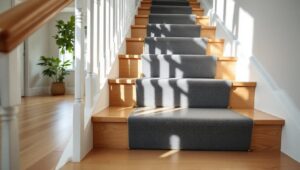
Rugs are texture powerhouses. A shaggy wool rug underfoot contrasts beautifully with hardwood floors. Jute or sisal rugs bring an organic quality that works in both modern and traditional spaces. Layering rugs, a smaller patterned one over a larger neutral, is a designer trick worth stealing.
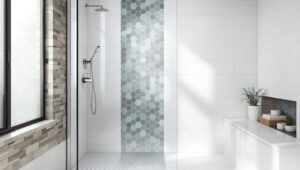
Wall treatments offer texture opportunities too. Board and batten, shiplap, or textured plaster add architectural interest without major renovation.
Incorporate Natural Elements
Bringing the outdoors inside remains one of the most reliable top decorating ideas. Natural elements ground a space and add life, literally, in the case of plants.
Houseplants top the list. A fiddle leaf fig in a corner, trailing pothos on a shelf, or a collection of succulents on a windowsill, greenery works everywhere. Plants improve air quality and add color that changes subtly with seasons and growth.
Natural materials extend beyond living things. Wood in various finishes, from raw and rustic to polished and refined, brings warmth. Stone accents, whether a marble side table or slate coasters, add weight and permanence. Woven baskets provide storage while contributing organic texture.
Water features have gained popularity in interior design. A small tabletop fountain adds movement and soothing sound. Even a simple fish tank becomes a living art piece.
Natural light counts as a decorating element too. Maximizing window exposure, using sheer curtains instead of heavy drapes, and placing mirrors to bounce light all make spaces feel more connected to the outdoors.
Layer Lighting for Ambiance
Lighting transforms rooms more dramatically than most people realize. Smart decorating ideas always include a lighting plan that goes beyond a single overhead fixture.
Three types of lighting work together: ambient, task, and accent. Ambient lighting provides overall illumination, think ceiling fixtures or recessed lights. Task lighting serves specific functions, like a desk lamp or under-cabinet kitchen lights. Accent lighting highlights features, such as artwork or architectural details.
Dimmer switches are inexpensive game-changers. They allow the same fixture to provide bright light for activities and soft light for relaxation. Installing dimmers on main room fixtures gives instant control over mood.
Table and floor lamps add warmth that overhead lighting can’t match. Their lower position creates pools of light that feel cozy and inviting. A well-placed lamp can define a reading nook or highlight a furniture grouping.
Candles remain timeless. Grouped on a mantel or dining table, they provide flickering light that no bulb replicates. Battery-operated versions offer the look without fire concerns.
Statement fixtures, a sculptural pendant or vintage chandelier, double as art pieces while providing function.
Personalize With Art and Accessories
The best top decorating ideas leave room for personal expression. Art and accessories tell the story of who lives in a space.
Art selection matters less than art placement. A gallery wall of family photos, collected prints, and meaningful objects creates a conversation piece. The trick is consistent framing or spacing, some unifying element that ties disparate pieces together.
Scale makes a difference. Oversized art in a small room feels bold and intentional. Small pieces scattered randomly often look cluttered. One large statement piece above a sofa beats three tiny frames every time.
Accessories should feel collected, not purchased in a single shopping trip. Books, travel souvenirs, inherited objects, and handmade items all contribute authenticity. Arranging them in odd-numbered groupings (three or five items) creates visual appeal.
Mirrors serve double duty as art and space-enhancers. A large mirror opposite a window doubles the perceived size of a room. Vintage mirrors with interesting frames become focal points.
Editing matters as much as adding. Periodic assessment helps remove items that no longer resonate. Great decorating evolves over time.